When people hear about labs that buy research peptides, they usually imagine only big pharmaceutical companies. But that’s not the whole story. Peptides are used in a wide range of research settings, from medical universities to small private labs studying metabolism, aging, and cell repair. Each type of lab uses them differently, but they are …


When people hear about labs that buy research peptides, they usually imagine only big pharmaceutical companies. But that’s not the whole story. Peptides are used in a wide range of research settings, from medical universities to small private labs studying metabolism, aging, and cell repair.
Each type of lab uses them differently, but they are all used for discovery. Below are the kinds of labs that actually need to be bought and why.
10 Types of Labs that Buy Research Peptides
1. Pharmaceutical Research Labs
Pharmaceutical research labs use peptides to develop and test potential new drug compounds. Peptides are short chains of amino acids that can mimic natural proteins in the body. Because they’re so adaptable, they’re used in the early stages of drug development, especially in cancer, diabetes, and autoimmune research.
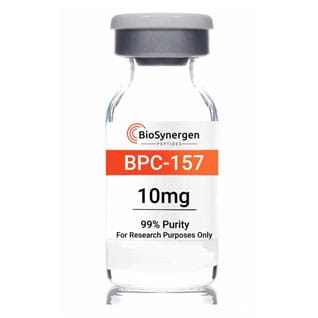
For example, labs might use BPC-157 to study healing or Semaglutide to explore insulin regulation. Every experiment is tightly controlled, and the peptides must be high-purity, third-party tested, and stored in sterile conditions. Accuracy is important as one impurity can ruin an entire trial.
2. University and Academic Labs
Academic institutions also buy research peptides for education and innovation. These labs usually focus on understanding how things work rather than producing something to sell. A biology department might use peptides to study how cells communicate or how inflammation develops.
Graduate students often perform peptide-based experiments for their theses and dissertations. Since funding is limited, these labs look for affordable, reliable vendors that offer small-quantity peptide batches for classroom and project use. It’s for learning precision, chemistry, and biological impact rather than making a profit.
3. Biotech Startups and Independent Research Facilities
Biotech startups explore peptide-based mechanisms and data for future therapeutic or anti-aging research. Some focus on regenerative medicine, others on athletic recovery or neuropeptide research.
Because these startups are agile, they often work with new synthetic peptides that haven’t reached mainstream use yet. They test how peptides behave in specific conditions, such as temperature, solubility, or cellular response, and collect data to attract investors. For them, every peptide vial represents potential progress.
4. Veterinary and Agricultural Labs
These labs also buy research peptides.
Why?
Because peptides aren’t just for human biology. They’re used to study animal growth, immune response, and even disease prevention in livestock.
For example, certain peptide blends are studied to understand joint recovery mechanisms in horses or immune responses in cattle. In agriculture, peptide research might involve studying how plant peptides interact with soil microbiomes to enhance crop resistance. These labs contribute quietly but significantly to food safety and animal health advancements.
5. Cosmetic and Dermatological Research Labs
Ever heard of peptides in skincare? Cosmetic science labs study them to understand how they might influence collagen or elasticity before developing new skincare formulas.
These labs focus on bioactive peptides that interact with the skin barrier or signal cells to regenerate faster. They might test hundreds of peptide variations before a single formula goes into a serum or cream. Safety and effectiveness are the top priorities, so all peptides are used strictly for research, not for sale or personal use.
6. Sports Science and Performance Research Labs
Sports science labs buy research peptides to study cellular and biochemical factors linked to muscle repair, endurance, and metabolism under controlled research conditions. For instance, peptides like TB-500 or GHRP-6 are studied for their regenerative potential in muscle and tissue recovery.
These labs don’t sell or distribute peptides for use. They test them in controlled environments to understand their biochemical behavior. Data from these studies helps develop safer, approved medical therapies in the long run.
7. Neuroscience and Cognitive Research Labs
Peptides do brain signaling, memory formation, and mood regulation. That’s why neuroscience research labs often buy research peptides to explore how certain compounds affect cognition.
Labs may study peptides like Selank or Semax to see how they influence focus, anxiety, and neuroprotection.
The results contribute to broader research in mental health, Alzheimer’s, and brain injury recovery. These experiments require strict ethical protocols and precise dosing because even tiny peptide changes can alter brain chemistry dramatically.
8. Endocrine and Hormone Research Labs
The body’s hormonal system is deeply connected to peptide activity. Endocrinology labs buy research peptides to explore how they can regulate hormone secretion or receptor response.
For instance, they may study peptides that mimic natural growth hormone-releasing factors or that improve thyroid regulation. These labs focus on the biochemical conversations that keep the body in balance. This kind of research often leads to breakthroughs in metabolic and reproductive health.
9. Nutritional and Metabolic Research Labs
Nutrition science isn’t based on calories. Molecular function is also a part of it. Metabolic research teams study how amino acids influence energy production and fat metabolism through these peptides.
By observing how peptides affect enzymes and cell pathways, scientists can learn how the body stores or burns energy. These studies often guide the development of nutritional supplements or clinical diet therapies.
10. Government and Regulatory Research Facilities
Government labs like those under the NIH or FDA also buy research peptides. Their goal is to test, regulate, and verify the safety of peptide-based drugs and supplements entering the market.
They analyze data from other labs, replicate experiments, and assess potential risks. By doing this, they ensure that peptide science stays within ethical and safety boundaries before it ever reaches clinical trials or commercial release.
Key Considerations When Labs Buy Research Peptides
Not every lab can just order peptides freely. There are legal, ethical, and quality requirements involved. Here’s what they typically check before purchase:
• Purity and Testing: The peptides must come from a vendor that provides a Certificate of Analysis (COA) and third-party lab verification.
• Storage Requirements: Most peptides must be refrigerated or frozen to maintain stability.
• Research-Only Labeling: All reputable suppliers clearly state that their products are for research use only.
• Documentation and Compliance: Labs record every batch used for traceability and audit purposes.
Buying from unreliable vendors risks contamination, inaccurate sequences, and legal complications. So professional labs choose trusted suppliers that align with federal and institutional guidelines.
Final Thoughts
From large pharmaceutical corporations to small academic labs, a wide variety of institutions buy research peptides to explore the body’s most complex systems. Whether it’s understanding brain function, skin regeneration, or hormone signaling, these tiny molecules hold massive scientific potential.
The more precisely labs buy peptides, the closer we get to innovations that can change the results of every test. Contact us to get high-purity reagents and research-use-only peptides.
Book a Consultation
It’s easy and free!