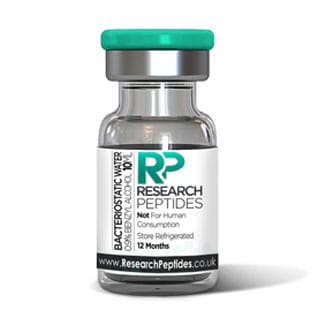
Bacteriostatic water is commonly used in peptide research and laboratory settings. It is sterile water that contains a small amount of benzyl alcohol. The benzyl alcohol helps slow the growth of bacteria after the vial is opened. This makes bacteriostatic water useful when multiple withdrawals are needed from the same vial. This article explains what …


Bacteriostatic water is commonly used in peptide research and laboratory settings. It is sterile water that contains a small amount of benzyl alcohol. The benzyl alcohol helps slow the growth of bacteria after the vial is opened. This makes bacteriostatic water useful when multiple withdrawals are needed from the same vial.
This article explains what bacteriostatic water for peptides is, what it contains, and the correct step-by-step process to prepare it safely and accurately.
What Is Bacteriostatic Water?
Bacteriostatic water for peptides is sterile water for injection that includes 0.9 percent benzyl alcohol. The benzyl alcohol acts as a preservative. It does not kill all bacteria, but it slows bacterial growth enough to reduce contamination risk during repeated use.
Key characteristics of bacteriostatic water:
• Sterile and free from particles
• Contains 0.9 percent benzyl alcohol
• Designed for multiple withdrawals
• Clear and colorless
• Prepared under sterile conditions
Why Benzyl Alcohol Is Important
Benzyl alcohol is added in a very small and controlled amount. At 0.9 percent, Bacteriostatic water for peptides creates an environment that limits bacterial growth without interfering with the stability of the solution.
Important points about benzyl alcohol:
• Acts as a preservative, not a disinfectant.
• Does not replace sterile handling.
• Must be measured accurately.
• Higher concentrations can damage compounds.
What You Need and How to Prepare Bacteriostatic Water for Peptides
Before starting, gather all materials. Preparation should be done in a clean, controlled environment.
Required materials:
• Sterile water for injection
• Benzyl alcohol, pharmaceutical grade
• Sterile glass vial with rubber stopper
• Alcohol prep pads
• Sterile syringe with needle
• Gloves
• Clean workspace
All materials must be sterile or sanitized before use. Do not reuse syringes or needles.
Step 1: Prepare a Clean Workspace
Start by cleaning your workspace thoroughly. Wipe down the surface using 70 percent isopropyl alcohol or an equivalent disinfectant. Let it air dry.
Wash your hands with soap and warm water. Dry them completely. Put on clean gloves.
This step reduces airborne and surface contamination. Even bacteriostatic water for peptides can become contaminated if prepared carelessly.
Step 2: Calculate the Correct Benzyl Alcohol Amount
Bacteriostatic water contains 0.9 percent benzyl alcohol by volume.Example calculation:
If you are preparing 10 milliliters of bacteriostatic water:
• 0.9 percent of 10 mL equals 0.09 mL.
• This equals 90 microliters of benzyl alcohol.
Accuracy is critical. Use a syringe with clear volume markings. Never estimate by eye.
Step 3: Draw Benzyl Alcohol Into the Syringe
Open a sterile syringe and needle.
• Clean the benzyl alcohol bottle stopper with an alcohol pad.
• Let it dry completely.
• Insert the needle and slowly draw the calculated volume.
• Remove air bubbles by tapping the syringe gently.
Set the syringe aside carefully. Keep the needle sterile.
Step 4: Add Benzyl Alcohol to the Sterile Vial
Take the empty sterile vial.
• Clean the rubber stopper with an alcohol pad.
• Let it dry.
• Insert the needle through the stopper.
• Inject the benzyl alcohol slowly into the vial.
Do not touch the needle or stopper during this process. Maintain sterility at all times.
Step 5: Measure and Draw Sterile Water
Using a new sterile syringe:
• Clean the sterile water vial stopper.
• Draw the remaining volume of sterile water needed.
Example:
If making 10 mL total and you already added 0.09 mL benzyl alcohol, draw 9.91 mL of sterile water.
Remove air bubbles before proceeding.
Step 6: Add Sterile Water to the Vial
Insert the syringe containing sterile water into the vial with benzyl alcohol.
• Inject the water slowly.
• Aim the liquid toward the side of the vial.
• Avoid creating excessive bubbles.
Once added, remove the needle carefully.
Step 7: Mix the Solution Gently
Do not shake the vial.
Instead:
• Gently roll the vial between your fingers.
• Tilt it slowly back and forth.
• Continue until the solution appears uniform.
Shaking can introduce air bubbles and reduce solution clarity.
Step 8: Inspect the Final Solution
Hold the vial up to the light.
The bacteriostatic water for peptides should be:
• Completely clear
• Free of particles
• Colorless
• Without cloudiness
If you see particles, clouding, or separation, discard the vial. Do not attempt to fix it.
Step 9: Label the Vial Correctly
Labeling prevents mistakes and contamination.
Include the following on the label:
• “Bacteriostatic Water.”
• Date of preparation
• Concentration of benzyl alcohol
• Initials of preparer
Clear labeling is essential for lab tracking and safety.
Step 10: Store Properly
Store bacteriostatic water in a cool, controlled environment.
General storage guidelines:
• Keep refrigerated if recommended.
• Avoid direct light.
• Do not freeze.
• Always wipe the stopper before each use.
Even with benzyl alcohol, bacteriostatic water does not last forever. Discard if clarity changes or contamination is suspected.
Final Thoughts
Preparing bacteriostatic water for peptides requires accuracy, patience, and strict attention to sterile technique, and this blog mentions everything you need to know to create it.
When done correctly, bacteriostatic water provides a stable, reusable, sterile solution suitable for peptide research applications.
Skip the hassle of preparing. If you need this sterile water, order from GG Peptides!
FAQs
Can bacteriostatic water lose effectiveness before its expiration date?
Yes, bacteriostatic water can lose effectiveness before its expiration if it is not handled properly. Repeated exposure to air, contact with unsterile tools, improper storage temperatures, or contamination can reduce its ability to prevent bacterial growth over time.
Is bacteriostatic water suitable for all peptide types?
Bacteriostatic water is commonly used with many peptides, but not all peptides have the same stability requirements. Some compounds may require different solvents or storage conditions. Always follow manufacturer instructions or professional guidance to ensure proper compatibility and effectiveness.
Does refrigeration extend the life of bacteriostatic water?
Refrigeration can help slow degradation and maintain stability, but it does not make bacteriostatic water last indefinitely. Proper handling, clean storage, and respecting expiration dates are still necessary to ensure the solution remains safe and effective for use.
Why do professionals recommend pre-made bacteriostatic water?
Professionals recommend pre-made bacteriostatic water because it is produced under controlled, sterile conditions with accurate concentrations. This reduces the risk of contamination, dosing errors, or instability that can occur when attempting to prepare solutions without proper equipment or expertise.
Can bacteriostatic water be used after it becomes cloudy?
No. Cloudiness usually indicates contamination or degradation. Bacteriostatic water should always remain clear. If you notice particles, discoloration, or cloudiness, it’s best to discard it and replace it with a fresh, properly stored solution.
Does shaking bacteriostatic water affect its quality?
Vigorous shaking can introduce air bubbles and increase the risk of contamination. Gentle handling is always recommended. While brief movement won’t ruin the solution, repeated or aggressive shaking may reduce overall stability and cleanliness over time.
Book a Consultation
It’s easy and free!