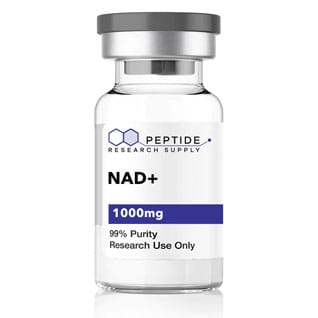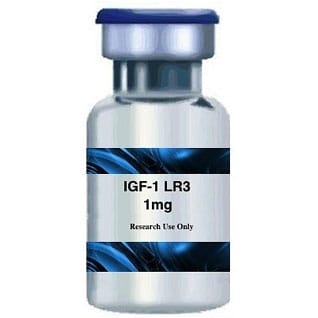
The phrase lab grade peptide appears everywhere in the research supply market. It sounds authoritative and scientific, and it often signals that a product is intended for laboratory use. But an important question rarely gets asked clearly enough: what does “lab grade” actually mean? The phrase "Lab Grade Peptide" is not a strict regulatory classification …


The phrase lab grade peptide appears everywhere in the research supply market. It sounds authoritative and scientific, and it often signals that a product is intended for laboratory use.
But an important question rarely gets asked clearly enough: what does “lab grade” actually mean?
The phrase “Lab Grade Peptide” is not a strict regulatory classification but is often used by suppliers to indicate that a compound is intended for research rather than clinical use. This label does not guarantee testing depth, purity, or consistent quality.
For laboratories, the true standard comes from the documentation and analytical testing supporting the material. Understanding how purity is measured and verified helps labs assess the reliability of the peptides they purchase.
This guide outlines what the term “lab-grade” actually means and how labs can establish stronger purity standards when evaluating peptides for sale.
Key Takeaways
- “Lab grade” is widely used industry language rather than a universal certification.
- Purity percentages are meaningful only when analytical testing methods are provided.
- Identity confirmation is just as important as purity measurement.
- Understanding impurity profiles improves experimental reliability.
- Storage, handling, and peptide shipping conditions influence peptide stability.
What “Lab Grade Peptide” Really Means?
The term lab grade peptide was developed through industry usage rather than a single regulatory definition.
As more peptides for sale became available through research supply platforms, suppliers needed a way to signal that their products were intended for laboratory research rather than therapeutic or clinical use.
Over time, lab grade peptides became shorthand for compounds produced and tested for research environments. While this helps distinguish them from pharmaceutical-grade materials, the phrase itself does not guarantee that all suppliers follow the same testing standards.
Because of this, laboratories often evaluate quality through documentation rather than relying on the label alone.
Why the Label Sounds Official?
Language can create the impression of standardization.
When many companies use the same phrase repeatedly, it begins to sound like a regulated category. However, two suppliers may both offer lab grade peptides while operating under very different analytical processes. For example, one supplier may provide detailed analytical reports with chromatograms and identity verification, while another may provide only a basic purity statement.
This difference is why experienced buyers review documentation carefully when evaluating peptides for sale.
Expectations Behind the Term
When laboratories purchase peptides labeled as “lab grade,” they typically expect several quality indicators:
- verified compound identity
- documented purity testing
- clear analytical methods
- stable storage and peptide shipping practices
These expectations are reasonable for research materials. However, they must be supported by real documentation such as Certificates of Analysis and analytical reports.
Even small details, such as packaging choices or supporting peptide accessories, can indicate whether a supplier prioritizes scientific handling or simply focuses on sales presentation.
Lab Grade vs Research Grade vs GMP
Several terms are often used when describing peptide quality levels.
Research Grade
Research-grade peptides are typically designed for laboratory experiments and exploratory studies. Many lab grade peptides fall into this category.
Lab Grade
The term lab grade peptide usually signals that the compound is intended for laboratory use and is accompanied by analytical testing documentation.
GMP Grade
GMP (Good Manufacturing Practice) peptides are produced under strict regulatory frameworks designed for clinical development and pharmaceutical use. These materials follow structured manufacturing controls, regulatory oversight, and validated quality systems.
For most research laboratories, the key difference lies not in the wording but in the depth of testing documentation supporting the product.
How Labs Should Define Purity Standards
1. Define the Analytical Testing Method
A purity value such as “98%” is only meaningful when the testing method is clearly described. Most peptide purity values are determined using High Performance Liquid Chromatography (HPLC). This technique separates compounds in a sample and measures the proportion corresponding to the intended peptide.
Reliable suppliers often include:
- HPLC chromatogram data
- analytical method references
- testing conditions used to calculate purity
Without method transparency, a purity number lacks scientific context.
2. Confirm Molecular Identity
Purity alone does not guarantee that the correct compound is present. Identity confirmation is typically performed using mass spectrometry, which verifies the molecular weight of the peptide and compares it with the theoretical value expected from the sequence.
For lab grade peptides, both purity testing and identity verification are considered essential components of analytical documentation.
3. Understand the Impurity Profile
A reported purity of 98% means that approximately 2% of the sample consists of other compounds or synthesis byproducts.
These impurities may include:
- truncated peptide sequences
- oxidation variants
- synthesis side products
Two lab grade peptides may report the same purity percentage but behave differently in experiments depending on the type of impurities present. Understanding impurity composition can help researchers evaluate whether those minor compounds might influence experimental outcomes.
4. Align Purity with Research Needs
Not every research application requires the same purity threshold. Early-stage exploratory studies may tolerate moderate impurity levels if those impurities are well understood. More sensitive experiments, such as receptor-binding assays or structural studies, may require tighter purity specifications.
Smart laboratories define acceptable purity ranges based on the specific research application rather than relying only on the highest advertised number.
5. Protect Purity During Shipping and Storage
Purity measurements reflect the condition of the compound at the time of testing. However, stability must also be maintained during storage and peptide shipping. Peptides are sensitive to environmental factors such as temperature, moisture, and light exposure.
Responsible suppliers provide:
- recommended storage temperatures
- stability guidance
- protective packaging materials
- proper peptide accessories for handling or storage
These steps help ensure that the compound arrives in the laboratory with the same quality level confirmed during testing.
6. Evaluate Batch Consistency
A single Certificate of Analysis provides information about one batch of material.
For laboratories purchasing bulk peptides, consistency across multiple batches becomes especially important. Reliable suppliers maintain production processes that produce similar purity and identity results across different batches. Batch-to-batch consistency helps protect long-term research reproducibility.
7. Monitor Stability
Peptide stability is an important part of quality evaluation.
Over time, environmental exposure or chemical reactions can slowly alter peptide structure. Monitoring stability under recommended storage conditions helps confirm that purity remains consistent during the product’s usable lifetime.
This information allows laboratories to plan storage and usage schedules more effectively.
Conclusion
A lab grade peptide should be defined by evidence, not just wording. Clear analytical testing, identity verification, impurity transparency, and responsible handling practices are what transform the phrase into a meaningful quality signal.
When suppliers provide thorough documentation and consistent batch performance, laboratories can evaluate lab-grade peptides with greater confidence and focus on the research itself rather than questioning the materials.
For top-quality peptides, choose GG Peptides.
FAQs
Is a lab grade peptide an official regulatory category?
No. The term is widely used in the research supply industry, but is not defined by a single global regulatory body. Quality standards depend on each supplier’s analytical practices.
Why is identity testing important for lab grade peptides?
Identity testing confirms that the compound is the correct peptide. Techniques such as mass spectrometry verify molecular weight and help ensure the structure matches the expected sequence.
Why should labs consider shipping conditions when evaluating peptide quality?
Temperature exposure and environmental conditions during peptide shipping can affect peptide stability. Proper packaging and storage guidance help maintain compound integrity during transit.
Book a Consultation
It’s easy and free!