Peptides are used to study how cells grow, heal, and communicate. They’re vital tools in scientific studies exploring metabolism, tissue repair, weight loss mechanisms, and more. If you look at the market, you will probably notice how many suppliers label their products as premium research peptides. But what does that actually mean? Are they really …


Peptides are used to study how cells grow, heal, and communicate. They’re vital tools in scientific studies exploring metabolism, tissue repair, weight loss mechanisms, and more.
If you look at the market, you will probably notice how many suppliers label their products as premium research peptides. But what does that actually mean? Are they really better, or just pricier versions of the same compounds? It can be a marketing tactic, too, but not always.
Usual vs. Premium Research Peptides: Know the Difference
1. Purity Depends on What’s Actually Inside the Container
Usual peptides may have lower purity levels, sometimes around 90–95%. That might sound fine, but those extra 5–10% can include unwanted residues, by-products, or even small amounts of moisture that affect the results of your experiments.
Premium ones are usually 98–99% pure. That small difference has a big impact on research accuracy. Higher purity means more predictable results and lower chances of contamination.When you’re conducting sensitive studies, using premium research peptides can help ensure that what you’re testing is the peptide itself—not the impurities.
2. Manufacturing Standards: Cleanrooms vs. Corners
The conditions under which peptides are synthesized also set premium products apart. Usual peptides might come from generic labs where conditions aren’t as tightly controlled. Equipment calibration might not be verified often, and trace contamination from previous batches can occur.
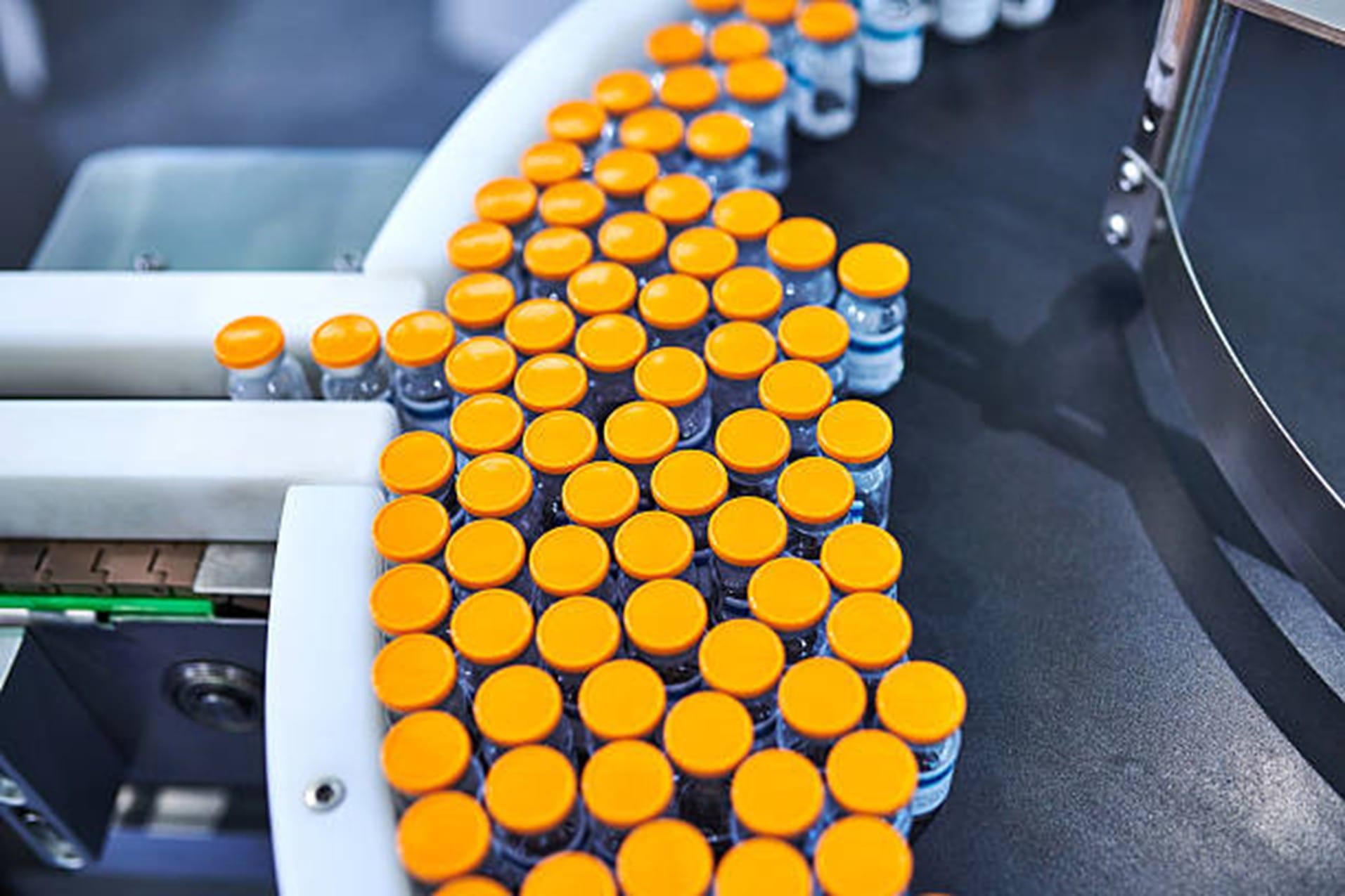
However, premium peptides are generally produced in ISO-certified or GMP-compliant facilities. These labs follow strict quality control measures, sterile environments, and independent third-party testing. Every step from synthesis to packaging is documented and verified.
3. Batch Consistency: Can You Trust It Every Time?
In research, reproducibility is everything. If you run the same experiment twice, you should get similar results. Usual peptides can vary slightly from batch to batch. One batch may perform differently from the next due to impurities, inconsistent synthesis methods, or unstable storage.
However, premium research peptides go through batch validation to test each new lot. This confirms that it was the same as the previous ones. This consistency helps scientists compare data, knowing their peptide’s performance won’t fluctuate wildly between orders.
4. Storage, Handling, and Stability
Standard-grade peptides may not always be freeze-dried properly, or they might sit in suboptimal conditions during shipping. This affects shelf life and stability, especially for delicate peptides.
Meanwhile, premiums are lyophilized (freeze-dried) under precise temperature control. They’re sealed to prevent moisture intrusion and stored under strict environmental conditions. Some suppliers even use cold-chain logistics to maintain peptide integrity during delivery.
5. Documentation and Transparency
When you buy usual peptides, you might just get a label, a lot number, and not much else. You have to wonder where they came from or how clean they really are. Premium research peptides come with full documentation, which includes Certificates of Analysis (COA), third-party test results, and detailed synthesis reports.
This verifies that you’re working with quality material. Transparency matters a lot in research. Having these documents allows you to cite and trust your peptide source in published studies, collaborations, and compliance checks.
6. Third-Party Verification for Testing Process
Anyone can claim their peptides are “pure.” But unless that’s verified by an independent lab, it’s just marketing. Usual peptides might only undergo internal testing, and results aren’t always shared.
Purity and identity are confirmed by certified third-party laboratories using techniques like HPLC (High-Performance Liquid Chromatography) and Mass Spectrometry in premium research peptides. That verification gives you confidence that what’s on the label is what’s in the vial.
7. Is It Worth Paying More?
Well, it depends on what you’re doing. If you’re conducting early-stage, low-stakes experiments or general academic tests, standard peptides might be fine. But if your research depends on accuracy, consistency, or publication-quality results, the cost difference becomes an investment rather than an expense.
When an impure peptide leads to inconsistent data, wasted materials, or invalid results, it ends up costing more in the long run. That’s why many researchers prefer premium-grade options, which help avoid rework and ensure reliability.
8. Packaging and Labeling
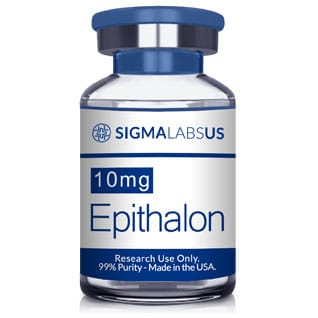
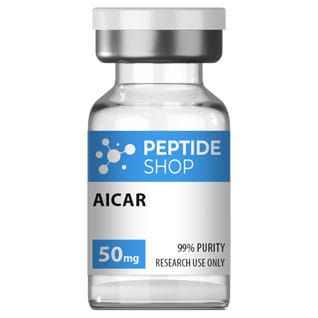
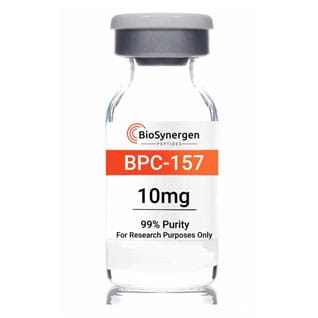
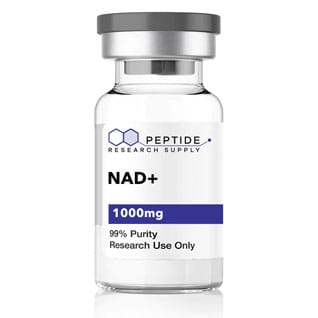
Premium suppliers take packaging seriously. You’ll notice vacuum-sealed vials, tamper-proof caps, and detailed labeling with molecular weight, lot number, and expiration date. Usual peptides may come with minimal labeling or inconsistent packaging, which increases the risk of handling mistakes or cross-contamination.
It may sound small, but when you’re managing multiple samples, that clarity can save hours of confusion and data loss.
9. Ethical Sourcing and Compliance
Premium research peptides are typically produced under strict regulations and sold for legitimate research purposes only. Reputable vendors disclose that their products are not for human consumption, ensuring ethical and legal use.
Some low-cost suppliers cut corners either by mislabeling or sourcing peptides from questionable manufacturers overseas. That can pose legal risks and compromise scientific credibility. Premium-grade suppliers usually have better compliance records and transparent sourcing policies.
10. Customer Support and Education
When something goes wrong, support matters. Suppliers offering usual peptides may not have a dedicated support team or clear communication about product handling. But vendors selling premium peptides often have responsive customer service, detailed usage guides, and technical resources to help researchers troubleshoot issues.
You’re not just buying a product, you’re getting expert-level guidance that can improve your research workflow.
11. Trust
Peptides are all about precision. Whether you’re studying muscle regeneration or metabolic pathways, accuracy matters more than anything else. Accuracy starts with the quality of your materials.
Usual peptides might seem fine for simple or exploratory studies. But for professional research, published work, or long-term projects, premium peptides give you the consistency and reliability you need.
Conclusion
Premium research peptides and usual ones might look identical. But under the surface, the difference is huge, which is purity, consistency, testing, and reliability, all separate one from the other. If accuracy and reproducibility matter to your work, premium-grade peptides are the smarter choice.
In research, every small thing counts. The peptide you choose could be the reason your study succeeds or struggles. So, before you buy, think about quality, not just cost. For the best premium and trusted peptides, visit GG Peptides and place your order.
Book a Consultation
It’s easy and free!