When you buy trusted peptides, the last thing you want is to wonder what’s really in that vial. Trusted suppliers know this, which is why they put strict systems in place to verify every batch that leaves their lab. Tracking peptides from start to finish isn’t just good practice but the backbone of quality assurance. …


When you buy trusted peptides, the last thing you want is to wonder what’s really in that vial. Trusted suppliers know this, which is why they put strict systems in place to verify every batch that leaves their lab.
Tracking peptides from start to finish isn’t just good practice but the backbone of quality assurance. Come to read why these steps make all the difference for researchers and labs like yours.
How to Trace Trusted Peptides Batches
1. Batch Numbers
Every lot comes with a different batch number, and it’s not just a random code. This identifier connects to a complete data record: the synthesis date, lab location, technicians involved, and even the equipment used.
Researchers can trace that number back through every production step. It tracks the molecule’s entire journey, ensuring full accountability from start to finish.
2. Independent Third-Party Lab Testing
A trusted peptide brand doesn’t just claim purity, it proves it. After synthesis, samples from each batch are sent to independent third-party labs for testing. These labs confirm peptide identity, molecular weight, purity level (often above 98%), and potential contaminants.
The results are recorded in a Certificate of Analysis (COA). When you see a COA linked directly to your batch number, that’s how you know the company takes transparency seriously.
Certificate of Analysis (COA) for Every Order
Speaking of COAs, they’re the backbone of any peptides verification system. Reputable suppliers provide downloadable COAs on their websites, often searchable by batch number.
The document should include:
• Peptide sequence and formula
• Analytical data (HPLC and mass spectrometry)
• Purity percentage
• Testing lab credentials
If a supplier can’t produce one instantly, it’s a red flag. True traceability means data is never hidden or “on request only.”
3. Digital Data Tracking and Blockchain Records
Modern trusted peptide suppliers are now using blockchain technology to make tracking foolproof. Each transaction and lab test is time-stamped and recorded in a secure, decentralized ledger.
This prevents data tampering and adds an extra layer of transparency. Imagine being able to verify your peptide’s test results right down to the hour they were uploaded — that’s where peptide traceability is heading.
4. GMP (Good Manufacturing Practice) Certification
Good Manufacturing Practice isn’t just a nice-to-have. It’s a must for maintaining consistent quality. A peptide manufacturer follows GMP standards at every step from raw material selection to packaging.
Facilities are regularly inspected for cleanliness, process control, and documentation accuracy. GMP compliance ensures every batch meets the same rigorous standard, so what you get today is exactly as pure as what you’ll get next month.
5. Raw Material Sourcing Records
You can’t build a good product from bad materials. A trusted peptide company maintains detailed logs of where it sources its amino acids, solvents, and reagents. Reputable suppliers only buy from verified chemical producers who meet ISO and GMP standards.
By keeping sourcing transparent, they guarantee that the base components used in your peptide are just as pure as the final result.
6. Lot Retention Samples for Verification
Every peptide manufacturer keeps a small retained portion of each batch for long-term storage. These “reference samples” are sealed and cataloged so that, if any question arises later, they can be retested for consistency.
This practice helps confirm product stability and provides proof if there’s ever a dispute or re-evaluation. It’s one of those quiet behind-the-scenes processes that make science more reliable.
7. Cold Chain and Storage Tracking
Peptides are sensitive molecules, and temperature, humidity, and light exposure can all alter their stability. Trusted peptide providers track environmental conditions throughout storage and shipping.
Using temperature loggers and humidity sensors, they can verify that your batch was never exposed to damaging conditions. This ensures that what arrives in your lab is exactly as potent as when it left the manufacturer.
8. Secure Labeling and Tamper-Proof Packaging
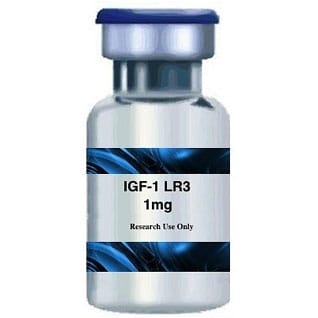
Packaging is more than a box. A batch will arrive with tamper-proof seals, QR codes, and often holographic labels that match digital batch records.
Scanning the QR code should take you straight to that product’s COA, test data, and manufacturing details. If a seal is broken or missing, you know something’s off, an easy way to spot counterfeit or mishandled products.
9. Documented Chain of Custody
From synthesis to delivery, every hand that touches a trusted peptide batch is logged. This chain of custody includes technicians, warehouse managers, couriers, and distributors. It’s the same principle used in pharmaceutical handling, a transparent paper trail showing that no step was skipped, no sample was swapped, and no contamination risk was introduced. That’s true scientific traceability.
10. Auditable Production Logs
Some manufacturers go above and beyond by allowing regulatory or customer audits. These logs detail every stage of synthesis, purification, and packaging. A company that welcomes audits shows it has nothing to hide. It’s an extra step that not only builds confidence but also sets an example for the rest of the industry to follow.
11. Barcode and QR Code Integration
Scanning a QR code on a trusted peptide vial instantly connects you to its verification data. Some systems even show the HPLC chromatogram or the lab signature that tested it. Barcoding also reduces human error during fulfillment. Every vial is double-checked before shipping to ensure batch numbers match your order confirmation.
12. Cross-Batch Comparison Testing
One of the advanced practices is comparing multiple batches of the same peptide to confirm uniformity. Trusted peptide producers occasionally pull random vials from different lots and test them side by side. If the purity and identity match perfectly, it proves consistency. This routine self-audit helps them maintain stable synthesis methods over time.
13. Customer Verification Portal
Many companies now offer online portals where customers can enter their batch number and instantly view test results, COAs, and synthesis history. Some even let you download lab certificates directly. This feature not only builds trust but also educates buyers about what proper verification looks like, helping raise the bar for the entire peptide industry.
Final Thoughts
In research, trust is everything, and it’s not built on promises but proof. A trusted peptide source gives you traceability at every level. This includes manufacturing, testing, packaging, and delivery.
Whether it’s blockchain records, batch logs, or verified COAs, each step is for protecting your science and your results. When you can trace your peptides with total confidence, you can advance discovery.
Call GG Peptides, as their making till delivery process is so transparent and careful that you would never have any complaints with their peptides.
Book a Consultation
It’s easy and free!