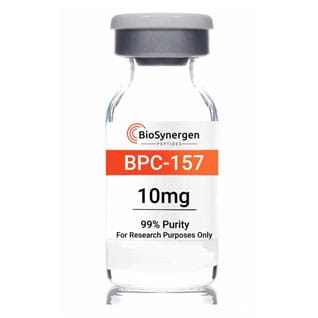
Research peptides are not for human use, consumption, or injection. They’re sold for laboratory and scientific research only. The difference between research peptides and regular peptides is mainly in their intended use and regulation. Research peptides are unapproved for medical or cosmetic application and are labeled “For Research Use Only.” Let us tell you the …


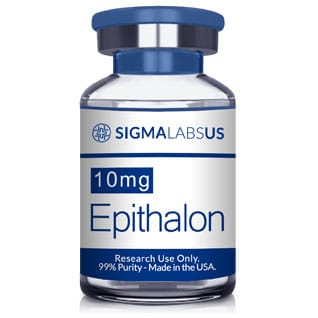
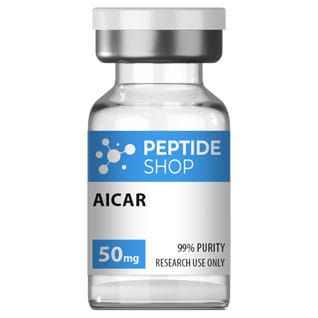
Research peptides are not for human use, consumption, or injection. They’re sold for laboratory and scientific research only. The difference between research peptides and regular peptides is mainly in their intended use and regulation.
Research peptides are unapproved for medical or cosmetic application and are labeled “For Research Use Only.”
Let us tell you the answers to whether you can buy research peptides or not, so that you know where you stand before making that purchase.
Can Anybody Buy Research Peptides?
In most places within the U.S., you can legally purchase research peptides as long as you agree they’re for research purposes only. No prescription, medical license, or FDA approval is needed for the purchase itself.
When you buy them, you are essentially entering a contract where you promise not to use them for personal or clinical purposes. It restricts you from injecting, ingesting, or applying them on humans or animals.
What Legitimate Peptide Vendors Will Include?
You can go to their website to buy research peptides. You will see a disclaimer stating:
“For laboratory research use only. Not for human consumption or therapeutic use.”
That statement protects the seller legally and reminds you that you’re responsible for how the peptides are used.
Why Some Vendors Require Verification
Even though federal law doesn’t require buyers to show special certifications, some peptide companies may still ask for verification before selling. This is usually to ensure they’re only supplying to legitimate research buyers, like labs, universities, or registered organizations.
You might be asked for:
- A business or institution name.
- A professional email linked to a lab or research entity.
- An acknowledgment form confirming the intended use is research-only.
This doesn’t mean peptides are illegal to buy without credentials. It just means reputable sellers are careful about who they sell to, to stay compliant with FDA and DEA regulations.
So, while anyone can technically buy research peptides online, responsible companies often add these small safeguards to filter out misuse.
What About FDA Regulations?
Peptides are considered “research chemicals” until they’ve gone through full FDA approval for human use. So, they exist in a gray zone and are legal to buy research peptides for study, but illegal to sell or use as medical treatment.
The FDA only approves peptides for therapeutic purposes after extensive testing and review. A few peptides, like insulin or Semaglutide, are FDA-approved drugs.
However, the vast majority of research peptides like BPC-157, TB-500, or GHK-Cu are not approved for human use.
Claims Against Rules
If a company advertises these compounds for “anti-aging,” “muscle recovery,” or “weight loss”, it’s misleading and against FDA marketing rules. You should only buy research peptides from sellers who clearly state that they are sold strictly for research use.
Do You Need Any Certifications as a Buyer?
If you’re a regular individual, you don’t need a certification. However, if you’re part of an organization, you may be asked to show documentation proving your lab or business is engaged in research activity.
Have a look at this chart to understand it better:
1. Academic or Institutional Lab
Sometimes certifications or credentials are required, especially for bulk orders or regulated peptides. Labs may need to provide a tax ID, institutional email, or proof of affiliation to confirm the purchase is for legitimate research purposes.
2. Individual Researcher or Hobbyist
No certification is needed to buy research peptides if you’re an independent researcher or hobbyist. Just make sure they’re used strictly for lab-based experiments and not for personal use, consumption, or any kind of medical application.
3. Company Conducting R&D
Companies involved in research and development typically need to show certifications or business verification. Suppliers often confirm the buyer’s credentials before shipping to ensure compliance with research-only usage and proper handling standards.
4. Clinician or Medical Office
Only FDA-approved peptides can be prescribed or used in clinical settings. Non-approved research peptides are off-limits for medical treatment, and clinics must follow strict regulations to avoid legal and ethical violations in patient care.
What Happens If You Misuse Them
Some people buy research peptides for personal experimentation. But this comes with big risks. Using unapproved peptides on yourself can lead to side effects, infections, or even legal trouble. Since they’re not FDA-approved for human use, there’s no standardized dosage, purity assurance, or safety data for consumers.
Plus, if a vendor knowingly sells peptides for self-use, they could be violating federal law and risk being shut down.
Responsible Research Practices
Whether you’re studying cell response, wound healing, or tissue regeneration, working responsibly with peptides matters.
Here’s how to stay compliant:
- Buy from Tested, U.S.-Based Suppliers – Always check for third-party purity reports, which can help you confirm the peptide’s quality, safety, and authenticity before use.
- Store Peptides Correctly – Most of them require refrigeration or freezing to maintain stability.
- Label Clearly – Indicate “research use only” on every container.
- Document All Experiments – Keep records of concentrations, methods, and intended use.
- Dispose Safely – Follow chemical disposal regulations for biological substances.
Responsible purchasing ensures that when you buy research peptides, your work contributes to science, not confusion or misuse.
Import Rules
If you’re buying from outside the U.S., things get trickier. Customs officials may hold or seize peptide shipments if they suspect personal use. That’s why buying from a domestic, verified supplier is the safest route.
Always check whether your supplier includes customs-friendly labeling, accurate documentation, and third-party testing proof. Those details can make all the difference between smooth delivery and legal headaches.
Final Words
Anyone can buy research peptides as long as you’re doing it responsibly. You don’t need certifications or licenses, but you do need honesty, care, and awareness of the laws. Peptides are incredible research tools when used properly, but potions for self-experimentation.
Before you make a purchase, always check for transparent labeling, testing proof, and clear disclaimers. A trustworthy company will protect both you and your research integrity. If you want to buy a fresh batch of peptides, get in touch with GG Peptides!
Book a Consultation
It’s easy and free!