If you’ve ever worked with peptides or lab reagents, you know how frustrating it is when something expires early, even before you’ve used half of it. GG Peptides gets it. That’s why we’ve built their entire process around keeping reagents stable, pure, and effective for as long as possible. We focus on keeping our products …


If you’ve ever worked with peptides or lab reagents, you know how frustrating it is when something expires early, even before you’ve used half of it. GG Peptides gets it. That’s why we’ve built their entire process around keeping reagents stable, pure, and effective for as long as possible.
We focus on keeping our products fresh and high-quality by controlling the temperature and using airtight packaging. Let’s take a look at how we ensure our reagents stay reliable and ready for important research.
How GG Peptides Store Their Reagents to Save Them from Expiring Early
1. No Shortcuts to Keep It Pure
Before anything gets stored, we make sure the reagents start off at the highest possible purity. We begin with a clean, uncontaminated base to reduce the chances of early degradation. Every reagent batch goes through third-party purity testing and internal verification before being bottled.
Contaminants, even at microscopic levels, can accelerate oxidation or hydrolysis. That’s why GG Peptides sources only pharmaceutical-grade or research-certified raw materials. We test for microbial presence, pH stability, and chemical consistency.
2. Controlled Environment Manufacturing
We manufacture and handle the reagents in climate-controlled environments, where temperature and humidity are constantly monitored. Even small fluctuations can alter peptide bonds or cause crystallization in solvents. This is why we prefer not to take any chances.
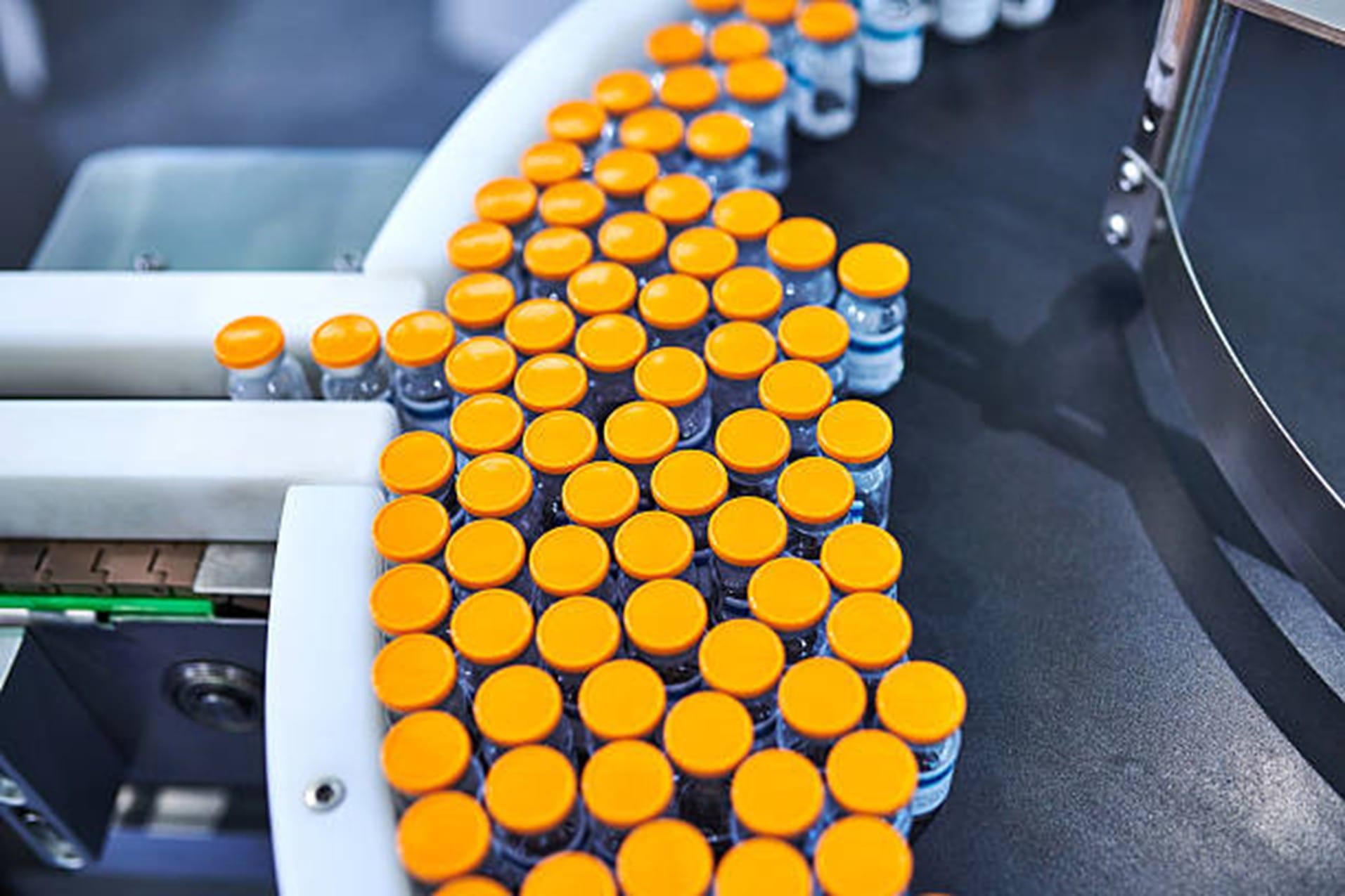
Inside our facility, reagents are mixed, aliquoted, and sealed under filtered air systems that minimize moisture and airborne particles. Our team wears full PPE and uses sterile instruments to prevent cross-contamination.
This might sound extreme, but in biochemical preservation, one stray droplet of water can mean the difference between a six-month shelf life and a two-year one.
3. Proper Sealing and Packaging Techniques
If you’ve ordered reagents before, you’ve probably seen how quickly some brands’ vials degrade once opened. GG Peptides avoids that problem with airtight, UV-protected packaging. Each reagent container is carefully sealed under low-humidity conditions and wrapped in materials that resist light exposure.
Light, especially UV, can trigger photochemical reactions that degrade sensitive compounds. We use amber glass vials and foil-lined pouches for products that are light-sensitive.
Each container also includes desiccant packs to absorb any residual moisture. For volatile liquids, caps are lined with PTFE (Teflon) to prevent gas exchange, and bottles are pressure-tested before shipping.
4. Temperature Control from Storage to Shipping
We use a cold chain management system. From production to packaging to delivery, reagents never leave a temperature-controlled state. Products that require refrigeration are stored in monitored coolers set between 2–8°C, while freeze-sensitive materials stay in deep-freeze units at –20°C or lower.
During shipping, GG Peptides uses insulated containers, dry ice, and gel packs to maintain those same temperatures. Each shipment includes temperature indicators, so researchers can verify that the product stayed within the safe range during transit.
This consistency ensures reagents don’t suffer temperature shock, which is one of the main reasons for early expiration.
5. Minimizing Freeze-Thaw Cycles
What many labs overlook is that when they freeze and thaw a reagent, it loses a bit of stability. Proteins and peptides are especially prone to denaturation when repeatedly thawed. GG Peptides combats this issue by offering aliquoted packaging and smaller, pre-measured portions that eliminate the need for constant refreezing.
Instead of storing one large vial and thawing it over and over again, researchers can open just one small aliquot at a time. This prevents degradation and contamination, ensuring each portion remains as potent as the first.
6. Protective Atmospheres Inside Vials
Oxygen is another silent destroyer of stability. To counter this, we use inert gas flushing for certain reagents. Before sealing, the air inside the vial is replaced with nitrogen or argon gas. These gases don’t react with the reagent, which helps prevent oxidation and keeps the chemistry stable.
This technique is especially critical for peptides and amino acid derivatives that can oxidize quickly in normal air. By using an inert atmosphere, GG Peptides ensures these delicate compounds don’t lose potency even after months on the shelf.
7. Real-Time Stability Testing
It’s one thing to store reagents properly, but another to prove our stay good over time. We conduct ongoing stability testing on all batches. We regularly test retained samples from each production lot under both recommended and accelerated conditions (meaning higher temperature and humidity) to see how the product performs.
If a batch shows any sign of premature degradation, it’s investigated immediately and pulled from circulation. This gives us a clear understanding of how long each product can realistically last.
We also use this data to improve formulations, packaging, and handling methods, which means shelf life often increases over time as we refine our processes.
8. Clean Handling Guidelines for Customers
We know that even the best packaging and storage won’t matter if reagents are mishandled after delivery. We include clear user handling protocols in every shipment, which says:
• Always use sterile pipettes and gloves.
• Avoid touching the vial lip or cap interior.
• Don’t store opened reagents in direct sunlight or near heat sources.
• Record the date you first open a vial.
By helping researchers build good lab habits, GG Peptides reduces user-caused degradation, which is actually one of the biggest reasons reagents expire early.
9. Continuous Quality Monitoring and Batch Tracking
Every reagent we have has a unique batch number, allowing complete traceability from production to the end user. This lets us monitor product performance and quickly resolve any issues. We also use a digital quality management system that tracks environmental conditions, testing results, and shipment history for each batch.
If even one data point looks off like a temperature spike during transport, that batch is flagged for review. Our close eye doesn’t just prevent premature expiration but builds long-term trust with customers.
Final Thoughts
GG Peptides protect reagents’ integrity so that when it reaches you, it’s pure and good to do a test on. Every step, from sourcing to shipping, is designed to maintain stability, purity, and performance. Whether you’re working with peptides, buffers, or specialty solutions, you can trust that what’s inside each vial is exactly what the label promises.
The reason their reagents last longer isn’t luck; it’s science, precision, and a genuine respect for the work their customers do in the lab every day. Contact us to get the best reagents for your lab.
Book a Consultation
It’s easy and free!