If you’ve ever searched online for peptides, you’ve probably seen words like “trusted,” “legit,” or “high purity” plastered across every website. Well, anyone can say that. In the niche of research, there’s a thin line between real science and clever marketing. So, before you hand over your money to a so-called trusted peptide company, you …


If you’ve ever searched online for peptides, you’ve probably seen words like “trusted,” “legit,” or “high purity” plastered across every website. Well, anyone can say that. In the niche of research, there’s a thin line between real science and clever marketing.
So, before you hand over your money to a so-called trusted peptide company, you need to know what actually makes one legitimate. Check and avoid these aspects to save yourself from being scammed.
Shopping from a Trusted Peptide Company? Check for These Things First
1. Check for Third-Party Lab Testing
This is the single biggest thing that separates real peptide suppliers from shady ones. Every reputable peptide company should provide third-party testing results, not in-house, not “verified by us,” but from an independent lab.
Look For
COAs (Certificates of Analysis) that confirm purity, identity, and absence of contaminants. The report should clearly state the lab’s name, test date, and the peptide’s batch number. If you can’t find this on their site or they refuse to share it, that’s a red flag.
Trusted peptide companies usually display these COAs right on the product page. Others may send them by request, which is fine, as long as they actually exist and match the lot number you’re buying.
2. “Research Use Only” Disclaimer
Here’s a rule most beginners don’t know: if a site claims its peptides are “for human consumption,” “ready to inject,” or “for personal use,” they’re automatically violating FDA regulations.
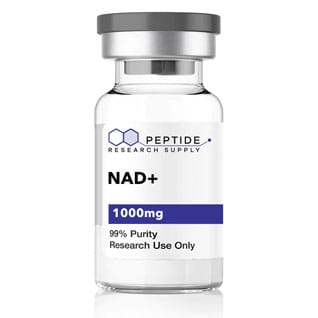
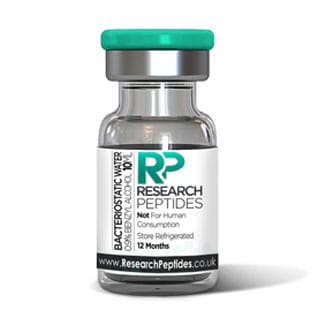
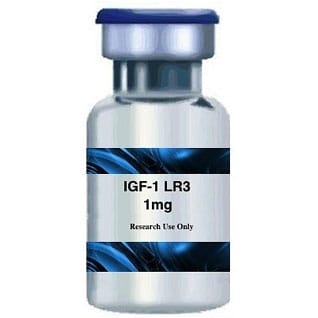
Legitimate peptide companies always state “For Research Use Only” (RUO) or “Not for Human Consumption.” This isn’t about avoiding responsibility, but for compliance. Peptides are classified as research materials unless they’re approved as drugs, and most aren’t.
Trusted peptide company vendors sell pure compounds to labs, not supplements to bodybuilders.
3. Examine the Website’s Transparency
A professional, transparent website is a good sign, but only if the information checks out. Look for details like:
• A real company address (not a P.O. box)
• Contact options beyond just a form — an email or phone number should exist
• Detailed product descriptions (CAS number, molecular formula, sequence, etc.)
• Clear shipping and return policies
If the site looks like it was built overnight, full of stock images, missing policies, or spelling errors, then don’t risk it. Quality companies invest in professional presentation and legal clarity because they have something real to protect.
4. Research Their Reputation Beyond Their Own Site
Never take reviews on their own website at face value. Anyone can fake testimonials or star ratings. Instead, check independent platforms about that trusted peptide company, like Reddit, Trustpilot, or peptide research forums. Look for discussions around customer service, shipping times, and whether their lab reports seem real.
The peptide community online is vocal. They’ll tell you fast if a brand is known for fake or underdosed products. Check how the company responds to negative feedback. Real companies own up to issues and try to fix them. Scammers delete or argue with reviewers.
5. Pay Attention to Payment Methods
Another big red flag? A site that only accepts crypto, Zelle, or wire transfers. While crypto has its place, it’s also a favorite of scam websites because those payments are irreversible. Legit peptide companies accept credit cards or PayPal (or both), since those platforms offer buyer protection.
If a trusted peptide company insists on crypto and promises a “discount” for using it, be careful! You might be paying for something that never arrives. It’s always better to pay a few extra dollars to a company that offers secure, traceable payment options than lose hundreds to a ghost vendor.
6. Check the Purity Percentages and How They’re Proven
Every peptide listing should include a purity percentage, which is ideally 98% or higher. But numbers mean nothing without documentation. Reputable suppliers show how purity was determined, typically using HPLC (High-Performance Liquid Chromatography) or Mass Spectrometry results. If you only see “99% pure” with no data behind it, assume it’s a marketing number.
Also, note whether the peptide is lyophilized (freeze-dried). That’s standard for research storage. If you’re seeing strange claims by a trusted peptide company like “pre-mixed liquid peptides” or “pre-filled vials,” it’s likely not a legitimate research product.
7. Avoid Unrealistic Prices and Flashy “Deals”
If the price is too good to be true, there’s a problem then. Peptide synthesis and purification cost real money. There’s no way around it. Shady suppliers lure people in with massive discounts, like “Buy 2 Get 1 Free” or 70% off limited-time offers. Real companies rarely do that because consistent quality control costs money.
Instead of chasing deals, compare prices across multiple trusted vendors with verified COAs. Legitimate companies are often within the same general range because they all pay for proper manufacturing and testing.
8. Confirm Shipping and Storage Practices
Even pure peptides can degrade if stored or shipped incorrectly. Check how the trusted peptide company packages and ships your order. The best ones use cold packs, insulation, or express shipping options for temperature-sensitive materials.
They should also provide storage recommendations (e.g., -20°C for long-term stability). If a vendor doesn’t mention these details, they probably don’t understand or care about the science, and that’s dangerous for research reliability.
9. Check if They Follow U.S. Import & Safety Laws
If the company is U.S.-based, it should comply with FDA and DEA import regulations for research materials. They don’t need to be FDA-approved (since these aren’t drugs), but they must follow legal labeling, handling, and shipping requirements.
Foreign companies often ignore these rules, which can lead to seized packages or contaminated products. Look for vendors that clearly state where their peptides are manufactured and tested. U.S.-based or EU-certified labs are typically safer bets.
Final Thoughts
Buying peptides demands proof, not promises. Don’t let fancy websites or “trusted” badges fool you. Look for real lab results, legal disclaimers, transparent practices, and genuine reviews. A truly trusted peptide company won’t need to shout about it, as their credibility shows in their data and how they behave with you.
Take your time, do your research, and purchase only from suppliers who value integrity as much as you value results. One name that is popular, honest, and has good reagents – GG Peptides. Get it now before the stock ends!
Book a Consultation
It’s easy and free!