When you buy peptides online, you want to get the best quality. However, the market is full of products that seem genuine but often don’t live up to their promises. If you’re using peptides for research, it’s essential that both their quality and purity meet high standards, just like the molecules themselves. Well, how do …


When you buy peptides online, you want to get the best quality. However, the market is full of products that seem genuine but often don’t live up to their promises. If you’re using peptides for research, it’s essential that both their quality and purity meet high standards, just like the molecules themselves.
Well, how do you detect if what you’ve received is truly the highest quality peptides? Let’s break it down in simple terms so that all the tests you perform provide accurate results.
How to Check Whether You’ve Received the Highest Quality Peptides or Not?
1. Third-Party Testing
This is the gold standard. Reputable companies always provide third-party lab results or Certificates of Analysis (COA) with every batch. That means an independent laboratory tested the peptides to confirm purity, molecular weight, and sequence accuracy.
If a company refuses to share its test results or gives vague statements about “internal testing,” that’s a warning sign. You should look for independent proof, not something they created themselves. A legitimate Certificate of Analysis (COA) typically includes:
• The peptide name and batch number
• Testing date and lab name
• Purity percentage (should be ≥98%)
• Analytical methods used (like HPLC or Mass Spec)
When you see these details clearly listed, you know you’re getting scientifically verified, highest quality peptides.
2. Check the Purity Percentage
The peptide determines how accurate your research results will be. Lower purity means you’re working with extra junk in the compound that can change outcomes or cause unwanted effects.
• 98–99% Purity: Excellent. Ideal for research and consistent results
• 95–97% Purity: Acceptable for some general uses, but not for precision studies
• Below 95%: Risky. Impurities may interfere with your experiment
Good companies proudly advertise their purity standards. If you can’t find this information, they might be hiding something.
3. Look for Lyophilized (Freeze-Dried) Form
When you open the container of your peptide, what you see matters. The highest quality peptides usually arrive in a lyophilized (freeze-dried) powder. Freeze-drying locks in peptide stability while making it easier to store and reconstitute later without degradation. Liquids spoil faster and can lose potency if not stored properly.
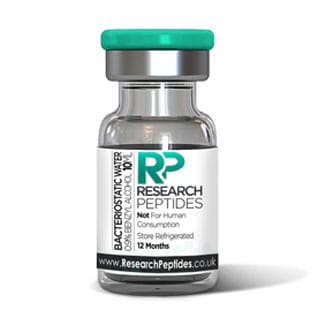
So, if you receive a clear powder that dissolves cleanly when you add bacteriostatic water, that’s a good sign. If it arrives pre-mixed or slushy, you might be dealing with a lower-grade or unstable product.
4. Review the Packaging and Labeling
You can tell a lot from a presentation, but not because it’s “pretty.” It’s about professionalism and traceability.
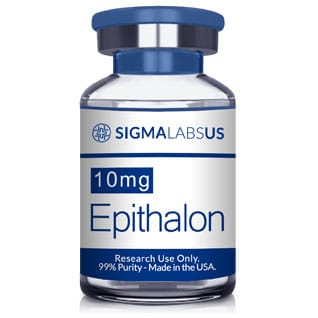
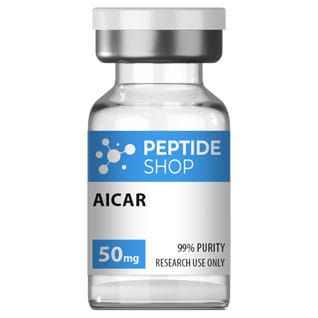
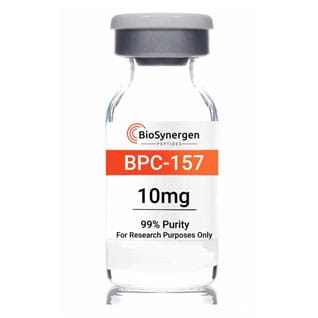
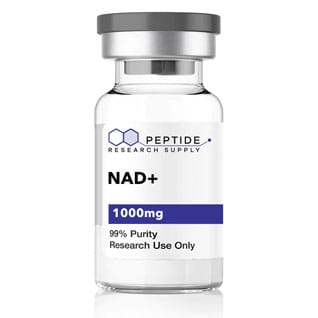
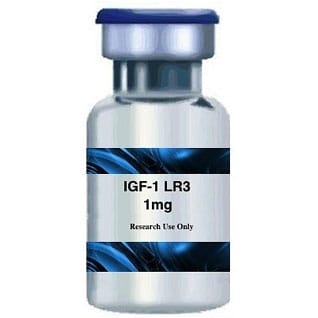
A reputable peptide supplier labels every vial with:
• The peptide name
• Lot or batch number
• Quantity or concentration
• Manufacturer’s name or logo
• Research-use-only disclaimer
No label or missing lot number? That’s a warning sign. The highest quality peptides companies are transparent and traceable because they take compliance seriously.
5. Check Storage and Shipping Conditions
Temperature changes can destroy peptide structure. If your peptides were tossed in a mailbox without cooling protection, that’s a red flag. Top-tier suppliers ship sensitive compounds with cold packs or insulated packaging, especially during hot months.
Once you receive them, store them in a cool, dry place, ideally in the refrigerator or freezer, depending on instructions. If the product shows signs of melting, clumping, or moisture inside the vial, contact the seller immediately. That’s not what quality peptides look like.
6. Transparency of the Supplier
You shouldn’t have to go through a hundred pages to learn who you’re buying from. The best peptide makers display everything upfront, from testing policies to contact details. Ask yourself:
• Do they clearly explain their sourcing and manufacturing process?
• Can you reach them easily by email or phone?
• Do they have reviews from verified buyers?
Any company hiding behind vague statements like “premium grade” or “lab-tested” without proof doesn’t deserve your purchase.
7. Ask for the Source of Raw Materials
This one is often overlooked. Peptides are made from amino acids, and the source matters.
High-end manufacturers use pharmaceutical-grade raw materials sourced from GMP (Good Manufacturing Practice) facilities. This ensures each ingredient meets purity and safety standards.
If a vendor can’t or won’t say where their raw materials come from, they probably don’t know, which means you shouldn’t trust them either.
8. Check Their Research-Use Disclaimer
If your peptide supplier doesn’t clearly say “For Research Use Only” or “Not for Human Consumption,” that’s a problem. Why? Legitimate research peptide suppliers follow strict labeling and legal compliance.
Companies that promote “injectable” or “ready-to-use” peptides often operate in a legal gray area, and those products may not be tested, clean, or consistent. A proper disclaimer means the company respects regulations and knows its role in the scientific market.
9. Observe the Dissolving Process
Once you add bacteriostatic water, the peptide should dissolve quickly and clearly. Highest quality peptides don’t foam excessively or leave chunks at the bottom.
If it clumps, turns cloudy, or smells strange, it may contain fillers or degradation. Always use sterile water and a clean syringe to mix and note how the peptide behaves. Clarity and consistency are strong indicators of proper synthesis.
10. Communicate with the Vendor
Don’t be shy about asking questions. A legitimate company will answer promptly and in detail. You can ask:
• “Do you provide COAs for each batch?”
• “Where are your peptides synthesized?”
• “Are your products tested for contaminants?”
If their answers sound scripted, incomplete, or evasive, that’s not the supplier you want. Responsiveness and honesty show confidence in their product.
11. Check for GMP or ISO Certifications
While not every company will have full FDA approval (since peptides are often sold for research use), GMP (Good Manufacturing Practice) or ISO certification demonstrates professional standards in production.
These certifications ensure controlled environments, clean equipment, and accurate labeling. If the company proudly mentions GMP-certified labs, you can feel safer about your purchase.
Final Thoughts
Choosing the highest quality peptides requires attention to detail. Look for third-party testing, purity levels above 98%, clear labeling, and transparency from your supplier. Remember, real quality doesn’t hide behind marketing language. It shows up in documentation, customer reviews, and consistent results.
A little research on your end ensures your peptides deliver exactly what they promise. Contact GG Peptides, and we will deliver to your lab!
Book a Consultation
It’s easy and free!