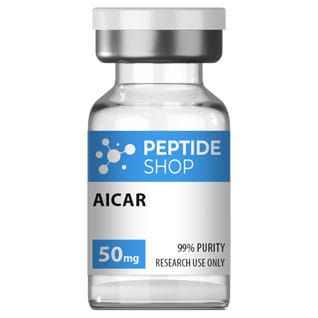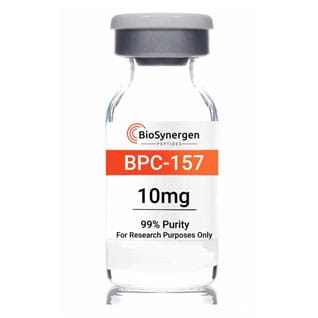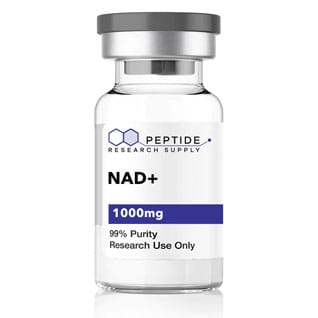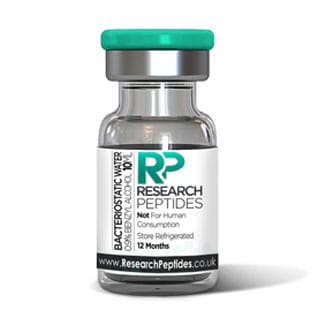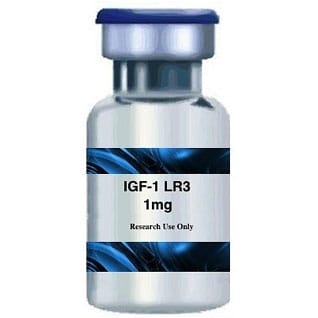
When your lab work is done, and the vials of popular peptides are sitting there on the bench, you might wonder, what now? Because let’s be honest, you don't throw the peptides. It is not as simple as tossing them in the trash or pouring them down the sink. Peptides may not look harmful, but …


When your lab work is done, and the vials of popular peptides are sitting there on the bench, you might wonder, what now? Because let’s be honest, you don’t throw the peptides. It is not as simple as tossing them in the trash or pouring them down the sink.
Peptides may not look harmful, but improper disposal can pose real risks to both people and the environment. Get the guide to safely dispose of it once your experiment wraps up.
How to Dispose of Popular Peptides: A Short Guide for You
1. Know the Rules Before You Toss Anything
Before discarding it, check your institution’s waste disposal policy or local hazardous waste regulations. Many labs fall under federal and state-level environmental rules, which prohibit flushing chemicals or biological materials down drains.
If you’re part of a university or company, your Environmental Health and Safety (EHS) office will have clear protocols for handling peptide waste. Independent researchers should contact local waste management services or look for biomedical waste disposal companies that accept small lab quantities.
2. Identify What’s Actually in Your Sample
Peptides vary widely in structure and stability. Some popular peptides contain additives like buffers, solvents, or preservatives that make disposal a bit trickier. Before discarding them, review the material safety data sheet (MSDS) for each peptide. This sheet lists hazards, safe handling instructions, and disposal guidelines specific to that compound.
If they were dissolved in solvents like DMSO or acetonitrile, those solvents must be treated as chemical waste, not biological waste. Keeping clear documentation of what’s in your vial makes disposal faster and safer.
3. Solid vs. Liquid Peptides: Both Have Different Rules Apply
The disposal method for popular peptides depends on their form:
Solid Peptides
These should be placed in a sealed packet, clearly labeled biohazard or chemical waste container. Once full, your waste handler can pick it up for incineration or specialized disposal.
Liquid Peptides
Liquids are more complicated because they may contain solvents. They should go into designated liquid chemical waste containers and never be poured into a sink or toilet.
Tip: Labeling everything accurately, like peptide residue or a used research peptide, is better than vague tags saying waste. Proper labeling prevents accidental exposure and misclassification.
4. Neutralization Isn’t Always the Answer
Some researchers think neutralizing or diluting popular peptides with water or bleach makes them safe to discard. That’s a myth. Bleach can react unpredictably with certain compounds, producing harmful gases or breaking peptides into unknown byproducts.
Instead, rely on professionally approved disposal methods. Peptides are biodegradable under controlled conditions, but that process requires specialized facilities that handle biohazard or chemical waste, not your household drain.
5. Store Temporarily, But Safely
If your experiment ends late or your disposal service won’t pick up waste for a few days, you may need to store the popular peptides temporarily. Always keep them sealed in secondary containment, such as a plastic box or sealed bag, to prevent leaks.
Store them in a cool, dry place away from direct sunlight and food areas. Label the container with the peptide’s name, the date of storage, and “Awaiting Disposal.” This keeps everything organized and safe, especially if others use the same workspace.
6. Don’t Forget About Contaminated Materials
Used gloves, pipette tips, microtubes, and filter paper that came into contact with it should also be handled as peptide-contaminated waste. Even trace residues can pose environmental or chemical hazards.
Collect these materials in a clearly marked biohazard or peptide waste bin. Once full, the contents of popular peptides should go to an approved incineration or chemical treatment facility. Never throw peptide-contaminated waste into regular trash bins, especially not near food or open office areas.
7. Follow Your Lab’s Waste Segregation Policy
In most research environments, waste is divided into categories like:
• Biological waste (cells, tissues, biological media)
• Chemical waste (solvents, reagents, peptide residues)
• Sharps (needles, broken glass, syringes)
• General waste (paper towels, packaging)
They typically fall under chemical waste unless they’re combined with biological samples. Mixing categories can create safety hazards or delay disposal approval. When in doubt, label separately and consult your lab’s waste manager before combining anything.
8. Call a Certified Waste Disposal Company
For individual researchers or small labs, hiring a professional hazardous waste disposal company is the easiest route. Many of these services now handle popular peptides and similar biomaterials in compliance with EPA and OSHA guidelines.
These companies usually provide pickup services, containers, and documentation proving your waste was properly disposed of. This recordkeeping is especially important if you’re publishing or working under grant conditions that require compliance evidence.
What About Expired Peptides?
If your popular peptides have expired but haven’t been opened, don’t assume they’re harmless. Expired peptides may degrade into unpredictable compounds that still require proper disposal. Never use them for new experiments without verification of purity.
Instead, dispose of them following your regular peptide waste process. Even sealed, expired peptides belong in chemical waste. This prevents confusion and ensures no one accidentally uses unstable materials.
Important Note: Protect Yourself During Disposal
Always wear gloves, a lab coat, and eye protection when handling used or expired ones. Even trace residues can irritate the skin or eyes. Clean your workspace with mild detergent after disposal and make sure all surfaces are dry before starting new work.
If a spill occurs, don’t panic. Absorb the liquid with disposable wipes, place everything in the peptide waste bin, and clean the area again. Report larger spills to your safety officer or disposal partner.
Ending Note
Safe disposal of popular peptides isn’t just about following rules; it’s about responsibility. Every researcher plays a part in protecting our environment and community from chemical and biological risks. The right steps are simple: identify, contain, label, and dispose of through approved channels.
By treating your leftover peptides with the same care you gave your experiment, you’re not just cleaning up; you’re setting a standard for responsible research. Visit GG Peptides to order the best peptides!
Book a Consultation
It’s easy and free!